Entertainment key art is the hero image, title treatment, and visual system that shape how audiences first understand a film, series, documentary, or awards contender — and the foundation every other campaign surface is built on.
Before the trailer plays, before the reviews arrive, there is usually one image making the first move. It has to introduce a world, signal a genre, hold the talent, suggest the story, and make the title feel worth someone’s time. Then that same image has to work as a theatrical one-sheet, streaming tile, outdoor board, paid unit, social crop, press image, FYC placement, and internal deck slide.
At The Refinery, key art is the foundation of a campaign and what we do best.
What does key art actually have to do?
Key art is a visual argument: this is what the title is, this is how it feels, this is why it deserves your attention. For Brad Hochberg, founding partner and creative director at The Refinery, that argument lives in the relationship between image, type, and message.
“I have always had admiration and respect for the visual, type, and message,” Brad says. “To unite those elements in a perfect symphony is a triumph, and when you see it done well, it leaves you in awe.”
Key art is rarely one decision. It is a thousand decisions made to look like one — the crop, the eye line, the negative space, the billing, the color temperature, the gesture, the amount of story revealed and the amount withheld. When it works, the image feels inevitable. When it doesn’t, everyone can feel the effort.
What’s the difference between beautiful key art and effective key art?
A piece of key art can be visually striking and still wrong for the campaign. Too broad for a specialty film. Too cold for a comedy. Too prestige-coded for a genre title. Too chaotic for a streaming tile. Too quiet for theatrical outdoor.
Key art has to respect the work and sell the work simultaneously. It has to create intrigue without losing clarity, reward fans without closing the door on new audiences, feel elevated without becoming vague. It has to feel like the title — not like an agency performing taste in the general vicinity of the title.
How does a strong key art campaign survive every format?
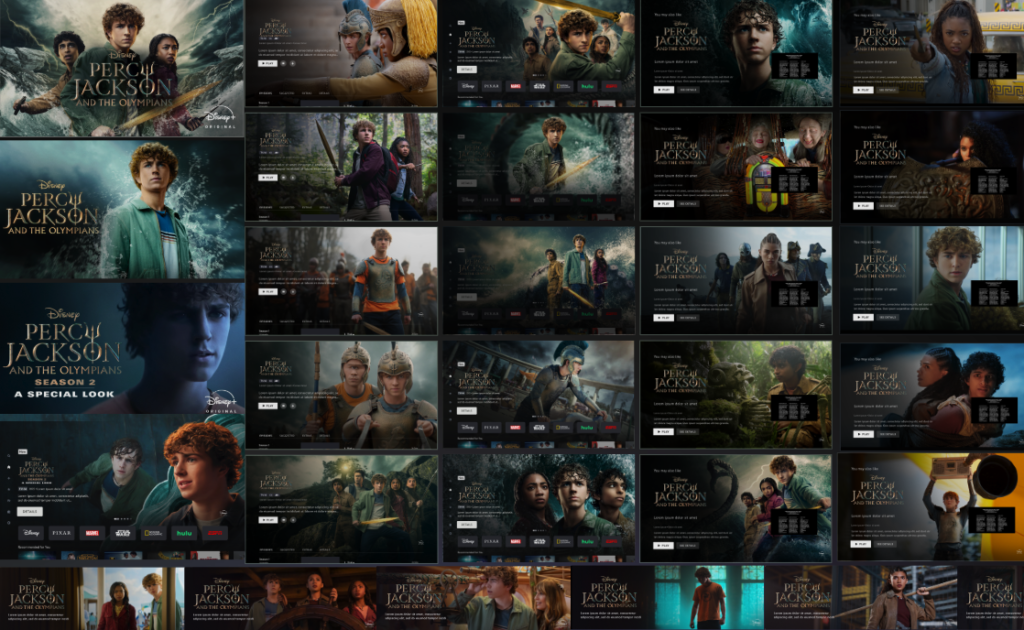
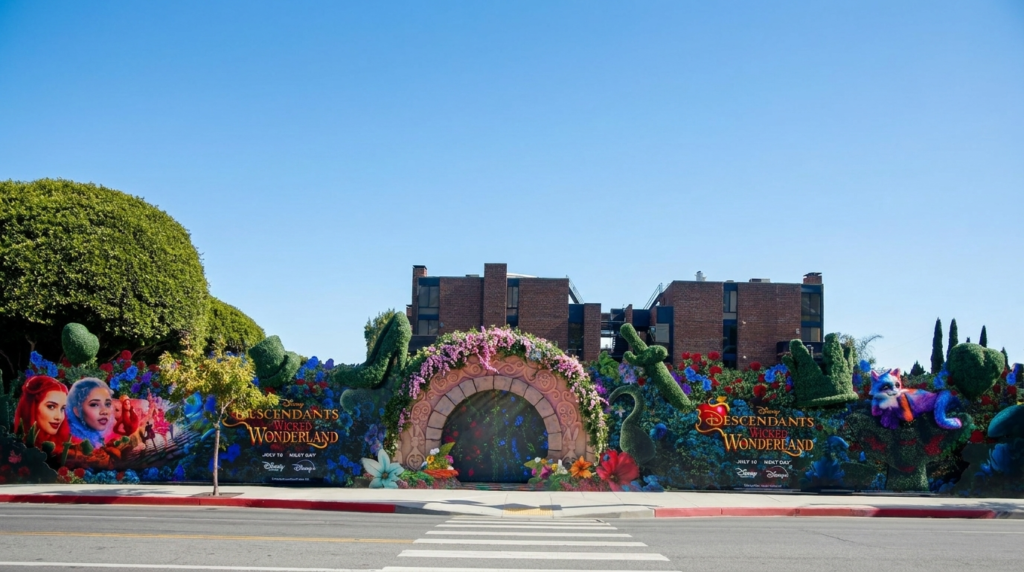
The same master creative may need to work as a theatrical one-sheet, streaming platform tile, outdoor board, transit placement, digital display unit, paid social asset, press image, trade ad, FYC placement, and thumbnail. A campaign image no longer lives in one perfect rectangle — it is cropped, compressed, animated, localized, resized, and judged in places it was never designed for.
This is where key art becomes systems thinking. A strong campaign needs a hero image, but it also needs visual logic, hierarchy, flexibility, and a way to preserve the idea when the format changes. Because the smallest crop may be the one the audience sees most.
What shapes the creative approach at The Refinery?
Brad’s influences move across design, typography, painting, photography, and modern art — Paul Rand, Saul Bass, Herb Lubalin, Richard Avedon, Irving Penn, Walker Evans. That range matters because entertainment key art rarely has a single visual problem.
“Having a solid foundation of the past helps you grow through time as a visual storyteller,” Brad says.
That historical fluency helps a campaign avoid the default visual language of the moment and find something more specific to the title. Not every show needs the same face, glow, and floating city.
Brad is also deliberate about collaboration. “For me, it has always been a partnership between everyone who collaborates on a project. Inside our agency, I learn from everyone all the time and count on them to help me grow as a creative and agency leader.”
Proof
For 20 years, The Refinery has created Key Art for some of the most iconic films and series, and has earned 110 Clio (formerly the Key Art Awards) Entertainment Awards, 107 Graphis Awards, 42 GEMA Awards, and 40 Golden Trailer Awards.
The Refinery created the key art for The Matrix, and for Green Book and CODA, both Best Picture winners. The White Lotus Season 3 marketing campaign won a Clio Gold in 2025. The Squid Game campaign has generated wins across multiple seasons, including Graphis Gold and Clio recognition.
Mad Men, Breaking Bad, and American Horror Story are among the titles that built the agency’s reputation for key art that becomes part of a show’s cultural identity.
What The Refinery creates
Hero key art, title treatments, campaign systems, shoot concepts, platform creative, digital display, social assets, OOH extensions, FYC creative, retouching, versioning, and finishing — for film, television, streaming, and entertainment brands across theatrical, platform, awards, and franchise campaigns.
One image. Many jobs. No room for almost.
For a full overview of what The Refinery creates for entertainment campaigns, start here.