Platform art is promotional artwork built specifically for streaming environments, thumbnails, feature modules, episodic images, post-play recommendations, partner placements, and device-specific assets, designed around where and how viewers actually decide what to watch.
A title can have beautiful key art and still not be ready for the platform. Once a film or series enters a streaming environment, the creative has to work inside rows, rails, thumbnails, feature modules, episodic cards, post-play recommendations, partner placements, and an ever-shifting set of smart TV and mobile templates.
Platform art means the full ecosystem of creative built to extend a title across the streaming experience, helping audiences understand what a title is, who is in it, what it feels like, and why it’s worth watching now. We build this work for studios, streamers, networks, and entertainment marketers across Netflix, Disney+, Apple TV, Hulu, Paramount, and Amazon.
How is platform art different from key art?
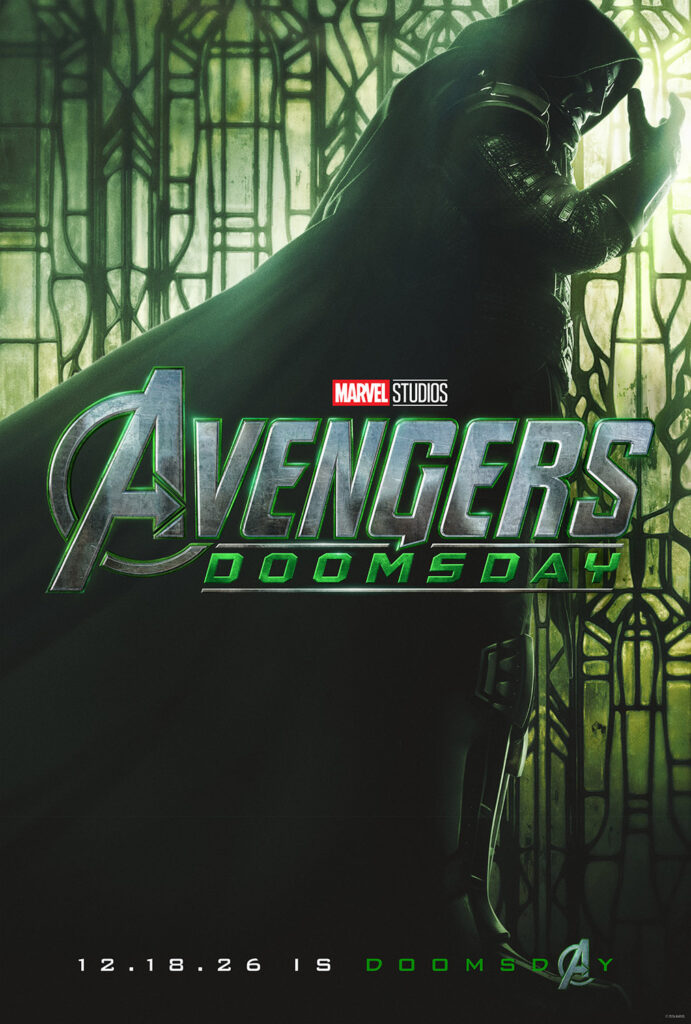
Key art establishes the campaign. Platform art translates that campaign into the environments where audiences actually choose what to watch. A composition that works as a poster can fail inside a small streaming module — a character crops badly, a title treatment goes unreadable, an emotional read disappears at thumbnail size. A billboard asks for attention with scale. A platform thumbnail has to earn it while sitting next to everything else a viewer could watch instead.
Three creative modes
Key art adaptation — rebuilding the existing campaign identity for platform-specific formats: horizontal, vertical, square, thumbnail, feature, partner, device-specific. Not a resize job. Every format raises new questions around crop, hierarchy, talent scale, and legibility.
Custom platform art — new imagery built when the existing key art isn’t the right solution: alternate talent, a different story moment, a sharper genre cue, an audience-specific entry point.
Elevated unit photography and episodic imagery — turning production stills and frame grabs into platform-ready assets. An episode card shouldn’t feel random — it should make the next episode feel worth starting.
What does each placement actually do?
| Asset | Primary job |
|---|---|
| Key art adaptation | Preserve campaign recognition across platform formats |
| Custom platform art | Create alternate audience, character, or genre entry points |
| Thumbnail | Earn attention quickly in browse environments |
| Episodic image | Make the next episode feel worth starting |
| Post-play imagery | Encourage continuation into another episode, season, or title |
| Partner asset | Extend the campaign into additional digital and device environments |
| Mastered platform art | Survive multiple crops and placements without losing intent |
What is mastered platform art?
More platforms are moving toward mastered images — one flexible master built to flow across placements, crops, and device environments. It has to be visually strong enough to attract attention and flexible enough to survive every crop, which takes a clear focal point and controlled composition from the start, not a compromise bolted on after.
Why The Refinery
Our platform practice began with Netflix and expanded across Disney+, Apple TV, Hulu, Paramount, and Amazon. We built an in-house team specifically for the conception, adaptation, production, and delivery of streaming platform assets — work that requires understanding key art plus crops, safe zones, device behavior, episodic storytelling, and post-play logic.
Proof
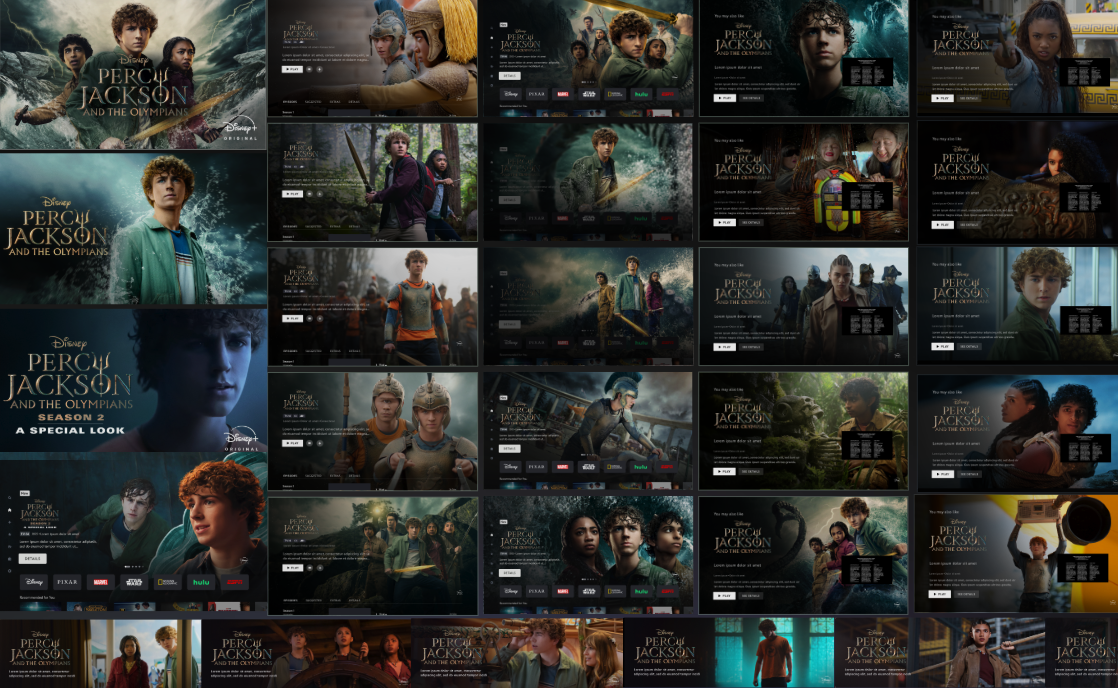
For Percy Jackson and the Olympians Season 2 on Disney+, we delivered 100+ platform assets, including five custom audience-based creative suites tailored to distinct viewer segments. Recent work also includes custom platform art for Sesame Street on Netflix.
For a full overview of what The Refinery creates for entertainment campaigns, start here.